Components
- 2¼ cups of wheat flour (tea measure)
- Three-quarters of a cup of water
- 1 teaspoon of salt
- 4 tablespoons of white sesame seeds
- 4 chive stalks, sliced
- oil according to preference
Setup mode
- In a big bowl, combine the wheat flour and salt. Create a well in the middle and slowly pour in the water, stirring continuously with a spatula or wooden spoon to blend everything together.
- In the bowl, knead the dough for approximately 5 minutes: press, stretch, and knead repeatedly until it becomes soft and elastic. If you choose to knead on the countertop, the dough may initially feel firm and sticky, but it will soften as it rests. If necessary, lightly dust with a small amount of wheat flour to prevent sticking (be cautious: use only a little, as too much flour can make the bread tough).
- On the countertop or a board, shape the dough into a ball. Lightly coat the bowl with a thin layer of oil (no need to wash, just remove any excess flour) and place the dough back into the bowl. Cover it with a cloth or plastic wrap and let it rest for 1 hour at room temperature. The dough does not rise since it is unleavened, but resting is important to relax the gluten and make it easier to stretch the loaves.
- Once the dough has rested, place it on the countertop and shape it into a cylinder. Using a baker’s spatula or knife, cut it into 8 equal portions. Cover with a damp cloth to prevent drying.
- To shape and prepare each small bread: grease the work surface with some oil. Using a rolling pin, roll out a piece of dough into a thin rectangle measuring about 18 cm by 14 cm. Spread 1/4 teaspoon of oil over the dough with your hand, then sprinkle 1/2 teaspoon of sesame seeds and 1/2 teaspoon of sliced spring onions. Starting from the longer side of the rectangle, roll the dough tightly like a Swiss roll. Next, coil the roll around itself to form a snail shape—air bubbles will form inside the dough, which is what makes the bread crispy. Place the tip of the roll underneath the coil and press gently to secure it. Cover the shaped roll with a damp cloth to prevent drying, and repeat the process with the remaining dough, applying oil to the surface as needed.
- Heat a standard non-stick frying pan over medium heat. While waiting, grease the countertop with oil and use a rolling pin to roll out a dough ball into a thin circle approximately 20 cm wide. Once the pan is hot, add water mixed with half a teaspoon of oil, place the dough circle in the pan, and cook for 2 minutes until bubbles form on the surface and the bottom side is lightly toasted. Using tongs, flip the bread and cook the other side for an additional 2 minutes.
- Place the bread on a plate and continue with the rest of the dough, adding oil to the frying pan for each batch – avoid covering the golden loaves, as trapping steam will make them soft instead of crispy. Once you get the rhythm, you can open the next piece of dough while one is cooking in the skillet, repeating this process to save time. Serve immediately.
Able to be frozen
Freeze the snail-shaped mass, packing each piece individually. When ready to use, thaw at room temperature for at least an hour. Then simply open the dough and continue with the preparation starting from step 6.
Able to be stored
Allow the bread to cool, then keep it in a tightly sealed plastic bag. Before serving, warm it for a few minutes in a preheated oven or heat it in a skillet with a little oil.
Purchase only what is necessary
Store
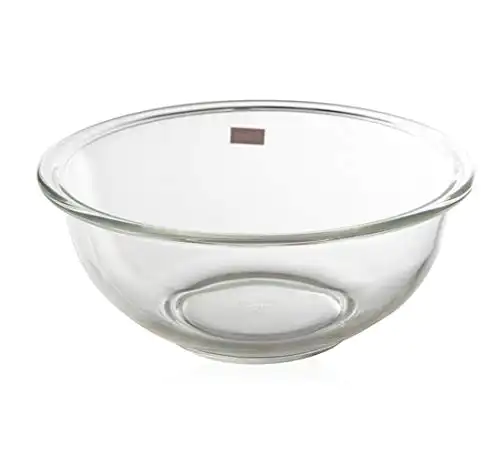
Etna glass bowl
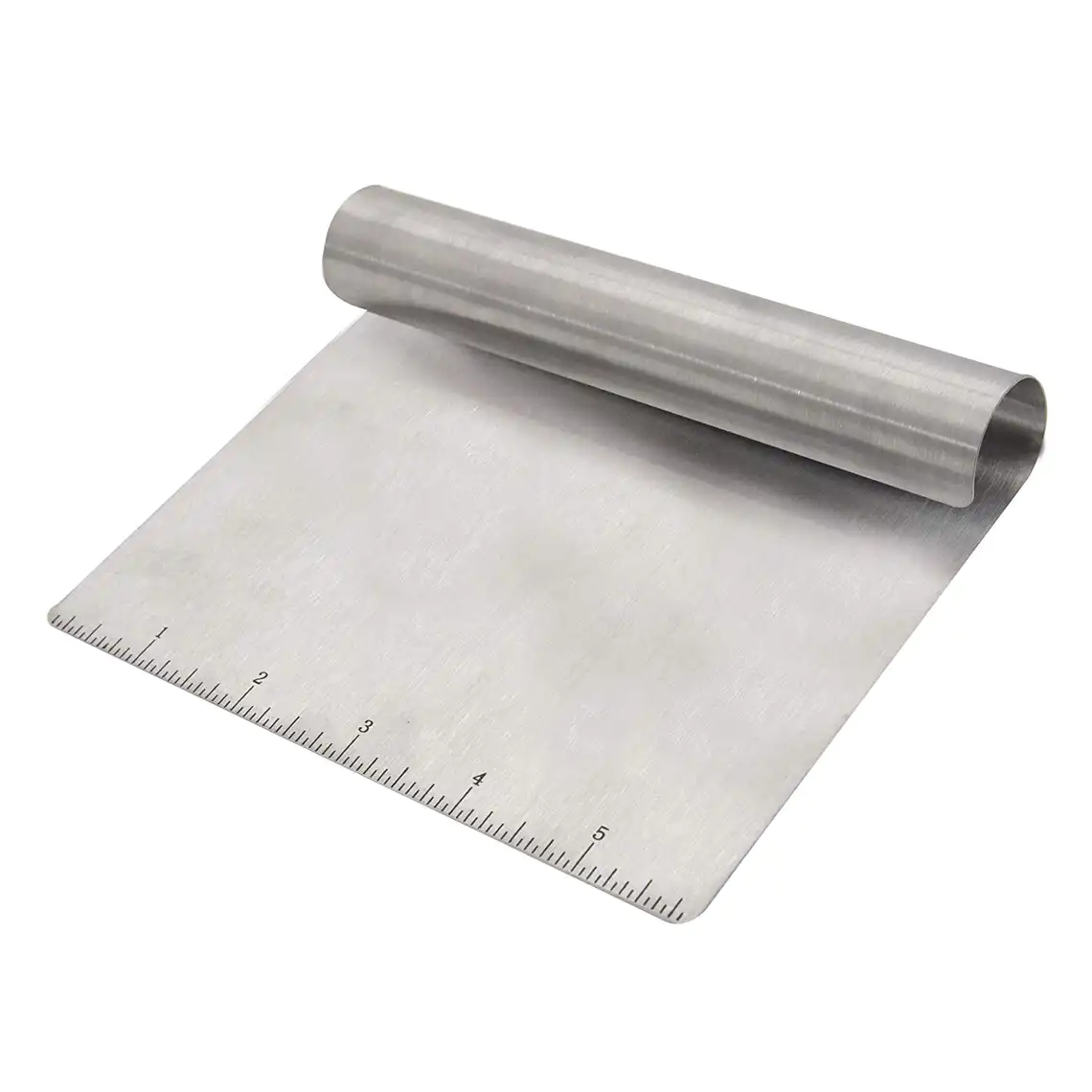
Mimo Style stainless spatula
Ghidini adjustable paste roller

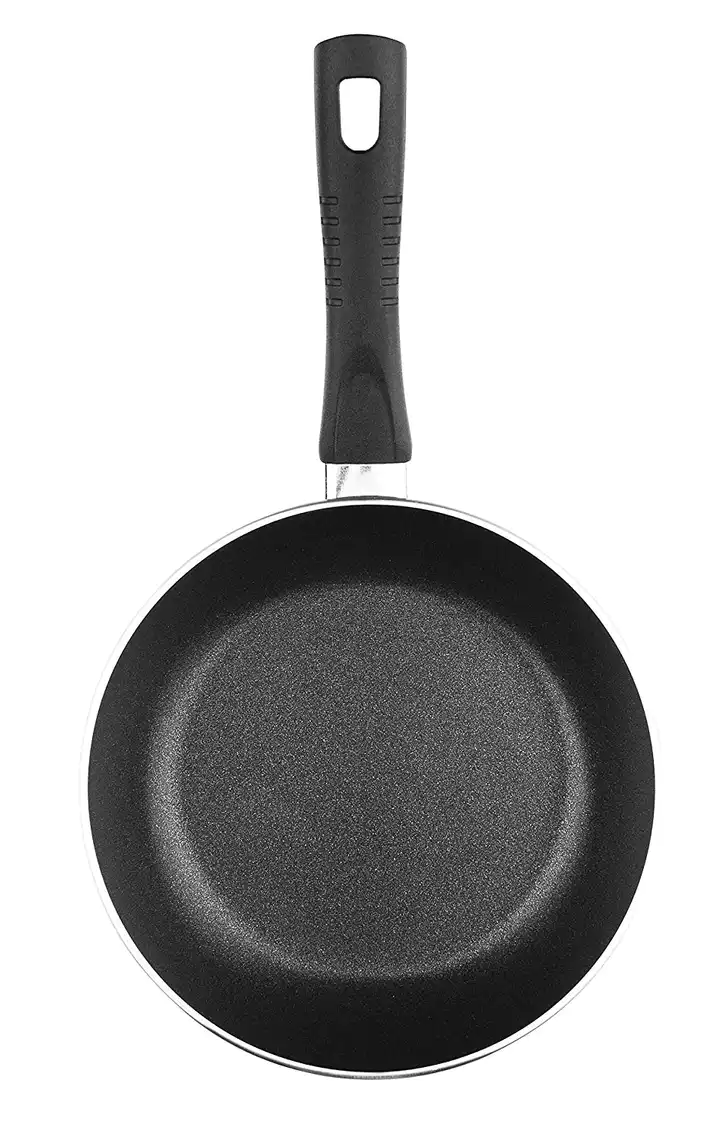
Siena Aluminium Frying Pan by Baillarini
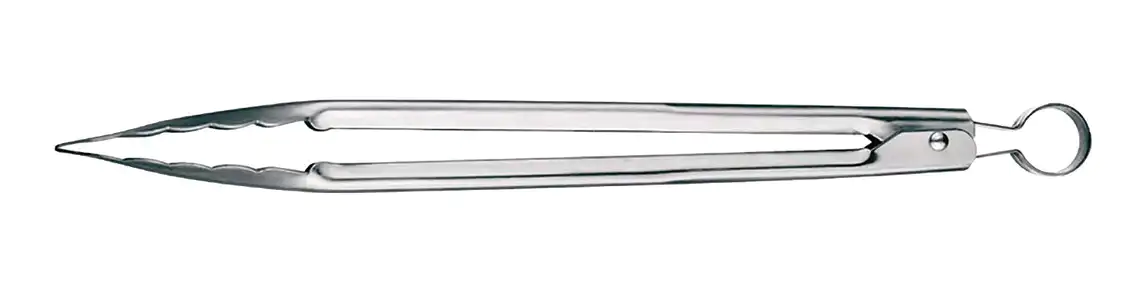
Latch clamp, Cuisipro
Flax Napkin Curry (set of 2), Acervo Paninha
chsyys/DepositPhotos